

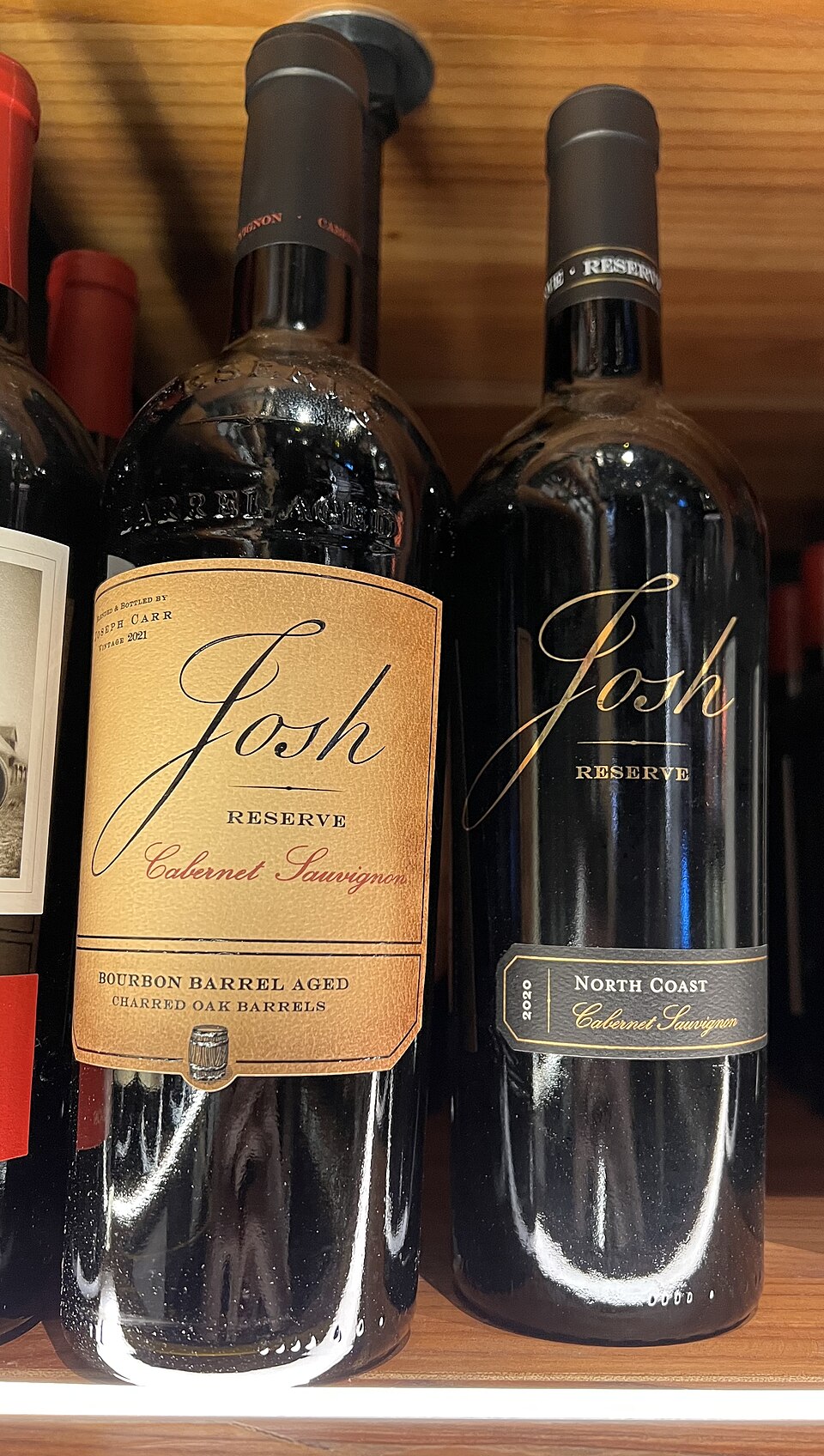
Josh Cellars
California brand best known for Cabernet and other easy reds.
Red~13.5–14.5%Photo: BanjoZebra / Wikimedia Commons / CC0
Everything you wanted to ask about wine, on one page, in plain English. No snobs. Scroll down, or jump to the part you came for.
Cabernet vs Pinot Noir Mix some wines Make sangria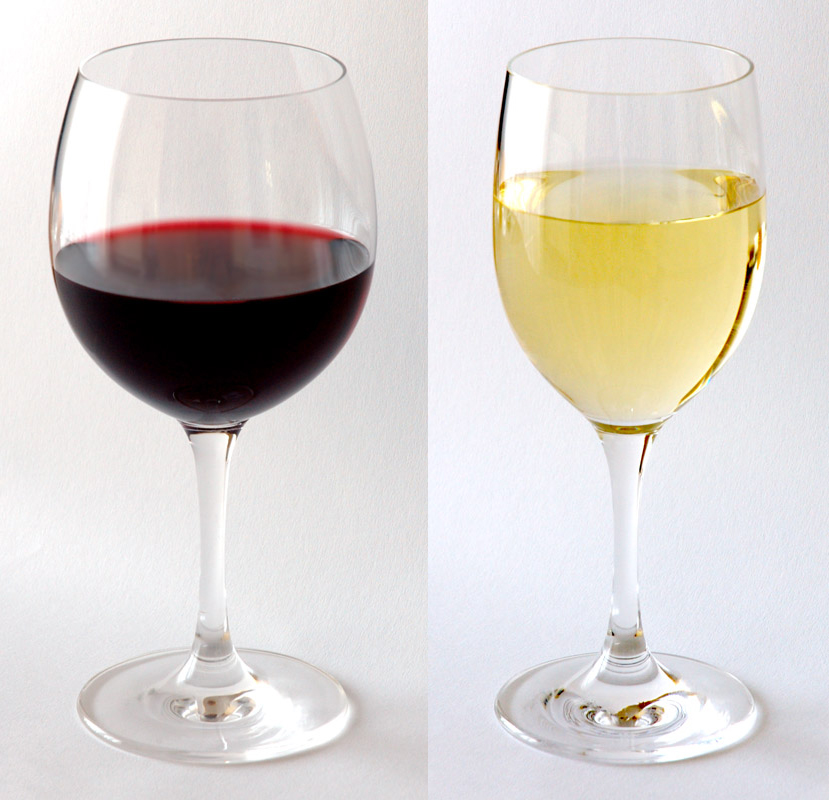
Wine is fermented grape juice. Almost everything else is detail. Here are the details that matter.
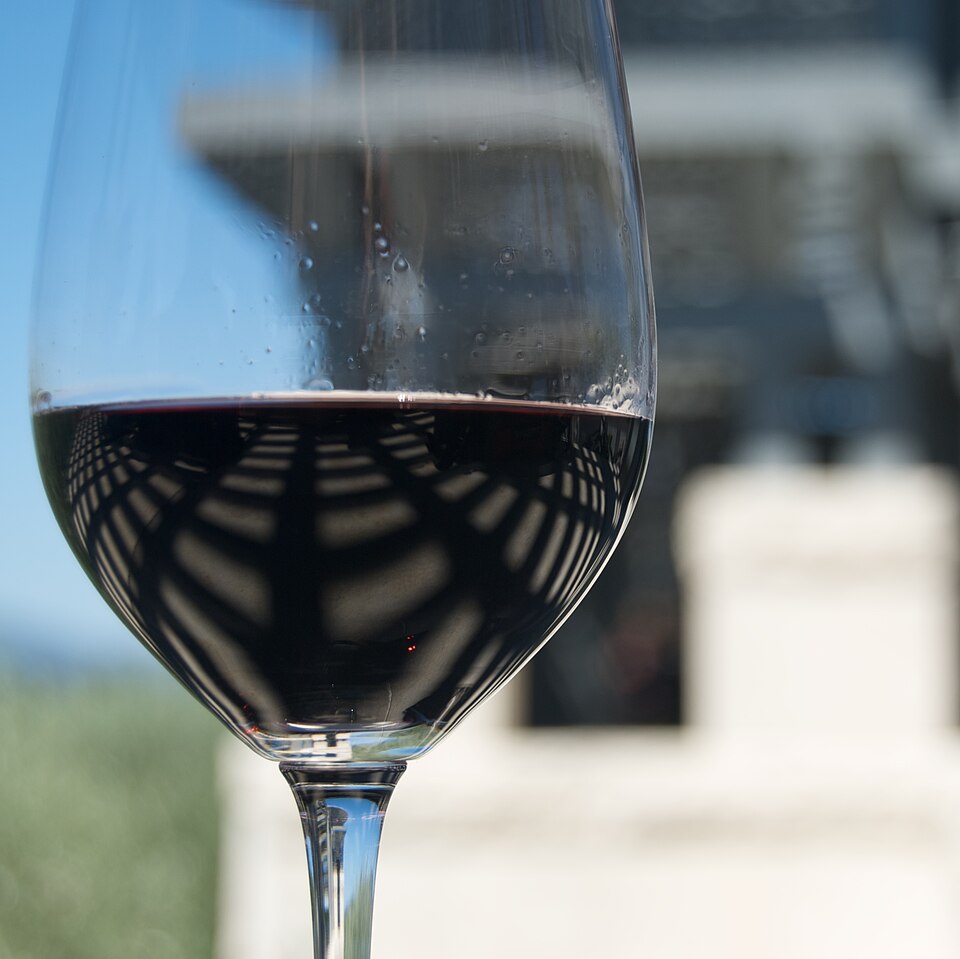
Made with the grape skins left in, which gives color, tannin (that dry, grippy feeling) and body. Cabernet, Merlot, Pinot Noir, Syrah.
Juice pressed off the skins before fermenting. Lighter, crisper, more about fruit and acidity. Chardonnay, Sauvignon Blanc, Riesling.
Red grapes with only a short skin contact, so the wine stays pink. Served cold, great in summer.
Wine with bubbles from a second fermentation. Champagne, Prosecco, Cava. Not just for celebrations.
Sweetness (dry to sweet), body (water-light to milk-heavy), acidity (mouth-watering), and tannin (the drying grip in reds). Know what you like on those four and you can pick wine anywhere.
Sparkling and sweet whites: 38–45°F
Crisp whites and rosé: 45–50°F
Full whites, Pinot Noir: 50–60°F
Bold reds like Cabernet: 60–65°F
Rule of thumb: reds 20 minutes in the fridge, whites out of the fridge 15 minutes before pouring.
Look at the color. Swirl and smell. Sip and let it sit on your tongue. Ask: sweet or dry? light or heavy? What fruit do I taste? Do I want another sip? That last one is the real test.
Match weight with weight. Light wines with light food (Pinot Grigio with salad or shrimp). Big reds with big food (Cabernet with steak). Acidic wines with fatty food. Sweet wine with spicy food or dessert.
1) Harvest grapes. 2) Crush them. 3) Yeast eats the sugar and makes alcohol (fermentation). 4) Age it in steel, oak or bottle. 5) Bottle it. More sugar eaten means a drier, stronger wine.
The two most-asked-about reds. Short version: Cabernet is the bold one, Pinot Noir is the silky one.
| 🍇 Cabernet Sauvignon | 🍒 Pinot Noir | |
|---|---|---|
| Body | Full-bodied, rich | Light to medium |
| Tannin | High. Grippy and drying | Low to medium. Smooth |
| Acidity | Medium to high | High. Bright and lively |
| Alcohol (typical) | 13.5–15% | 12–14.5% |
| Flavors | Blackcurrant, black cherry, cedar, vanilla, sometimes green pepper or mint | Red cherry, raspberry, strawberry, mushroom, forest floor, spice |
| Where it grows | Napa Valley, Bordeaux, Chile, Australia. Likes warm weather and thick-skinned grapes | Burgundy, Oregon, Sonoma, New Zealand. Thin-skinned and fussy, likes cooler places |
| Best with | Steak, burgers, lamb, aged cheddar, dark chocolate | Salmon, roast chicken, duck, mushrooms, pizza, charcuterie |
| Serve at | 60–65°F | 55–60°F (slightly cool) |
| Price range | Good bottles from about $12 up to hundreds | Good bottles often start nearer $18–25 (it is harder to grow) |
| Pick it if you… | like bold, dark, “big” flavors | like soft, fruity, easy-drinking reds |
“Dry” means not sweet. All the grape sugar was turned into alcohol, so little sugar is left. It does not mean the wine tastes like dust. Fruity and dry can go together.
ABV means “alcohol by volume.” Most wine lands between 11% and 15%. Bars show the typical range. Labels can be off by a little, so check the bottle.
One US “drink” is 5 oz of wine at 12%. A big restaurant pour of a 15% wine can be more than one drink.
Riper grapes have more sugar, so more alcohol. That is why a hot-climate Zinfandel often hits 15–16%.
Higher ABV feels warmer and fuller. Lower ABV feels lighter and crisper. Pick by mood, and pace yourself.
A few well-known labels, so you can recognise them. These are examples, not endorsements. Every photo is freely licensed and credited.
California brand best known for Cabernet and other easy reds.
Red~13.5–14.5%Photo: BanjoZebra / Wikimedia Commons / CC0
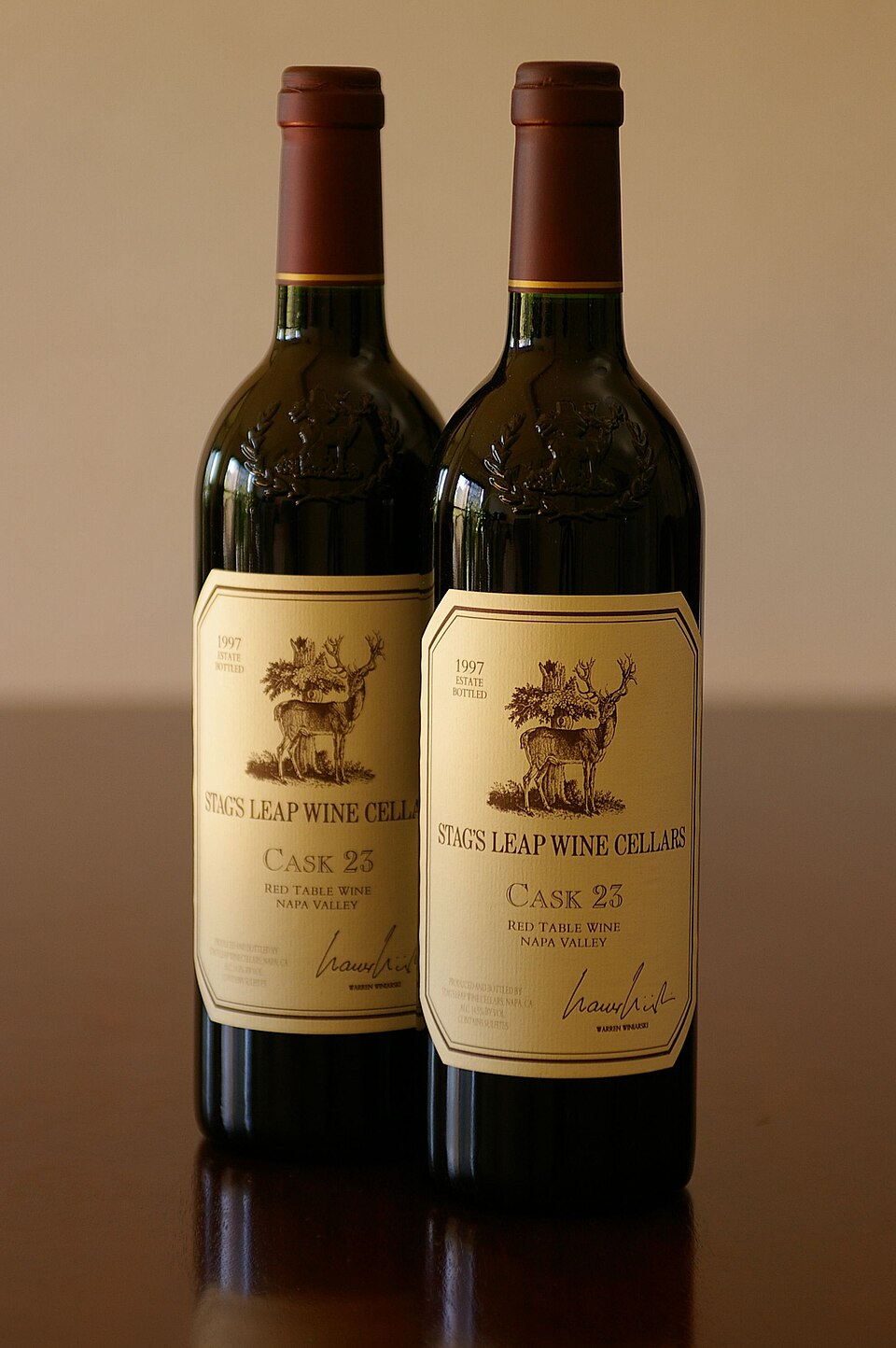
Napa Valley estate famous for Cabernet; it beat top French wines in the 1976 Paris tasting.
Red~14–14.5%Photo: Nagarazoku / Wikimedia Commons / CC BY-SA 2.0
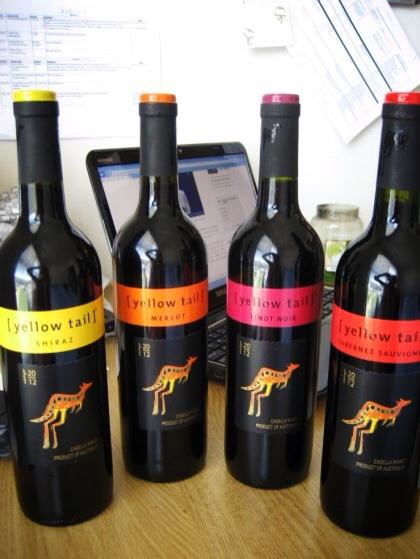
Easygoing Australian wines (Shiraz, Merlot, Pinot Noir, Cabernet and more).
Red + white~12.5–13.5%Photo: Byung do jung / Wikimedia Commons / CC BY-SA 3.0
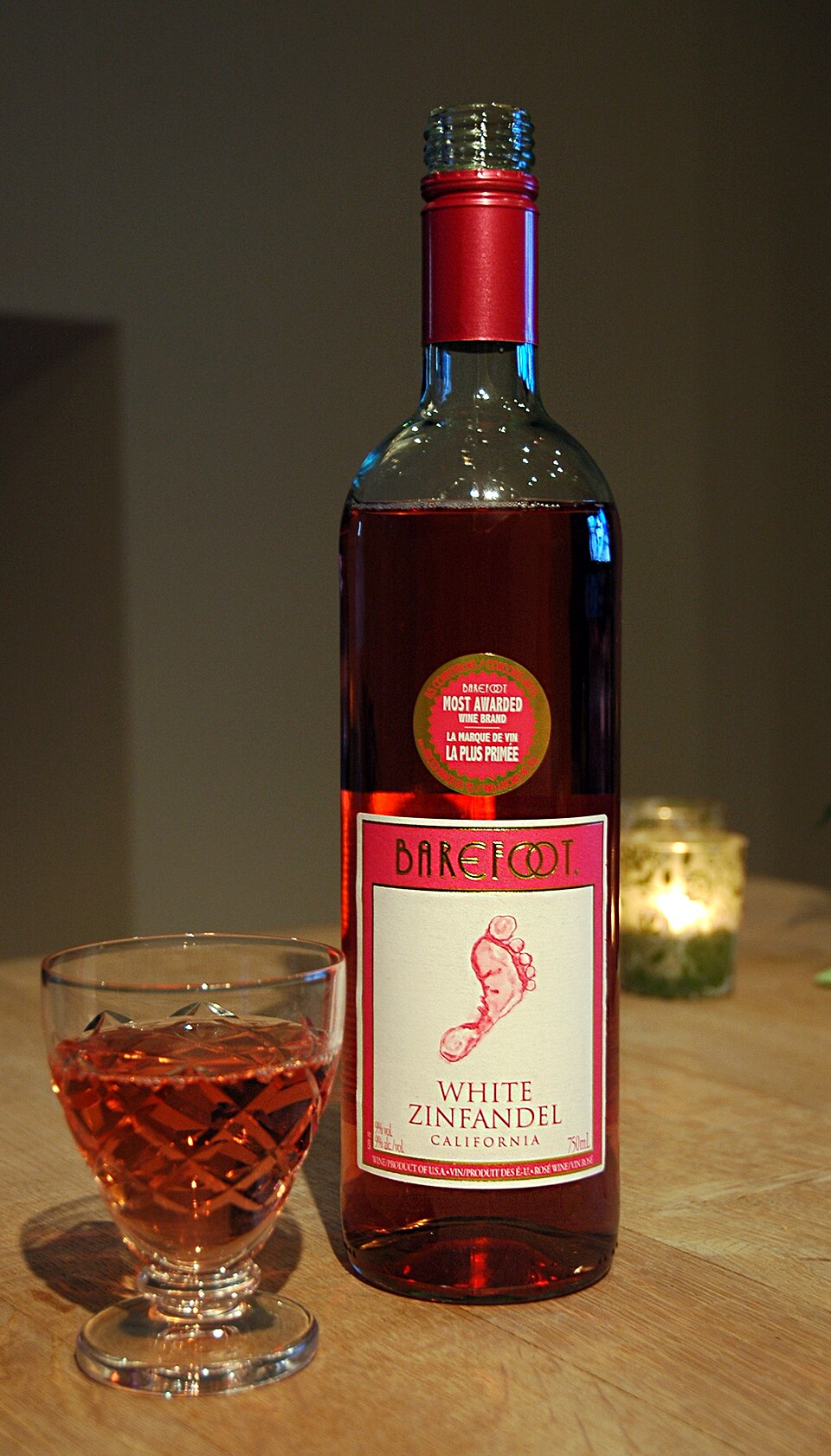
Budget-friendly and fruity. This one is White Zinfandel, a pink, sweeter style.
Rosé~9–10%Photo: DimiTalen / Wikimedia Commons / CC0
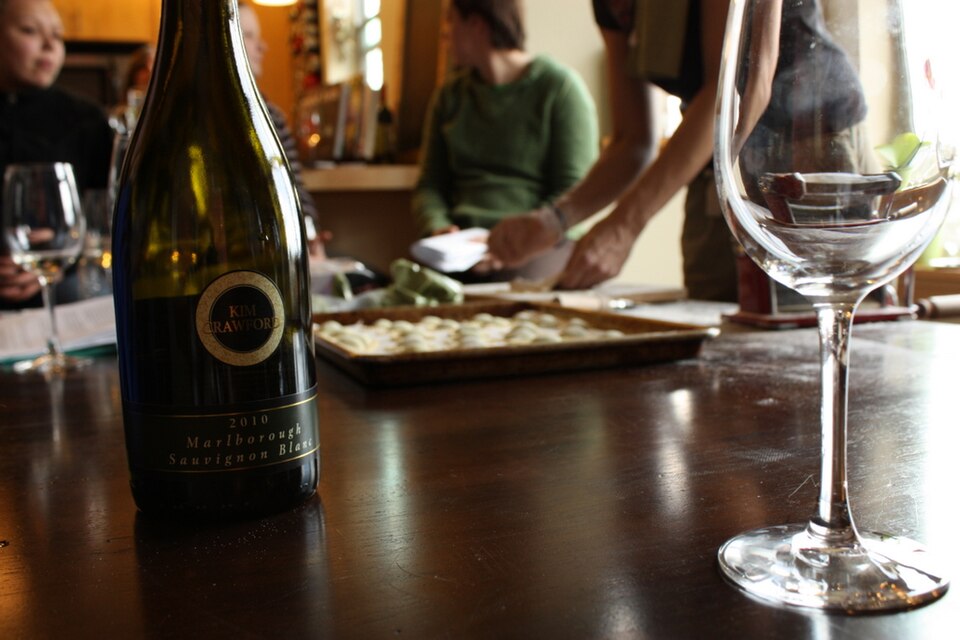
New Zealand (Marlborough) Sauvignon Blanc: zesty, grapefruit, dry. A classic crisp white.
Dry white~12.5–13%Photo: Leslie Seaton from Seattle, WA, USA / Wikimedia Commons / CC BY 2.0
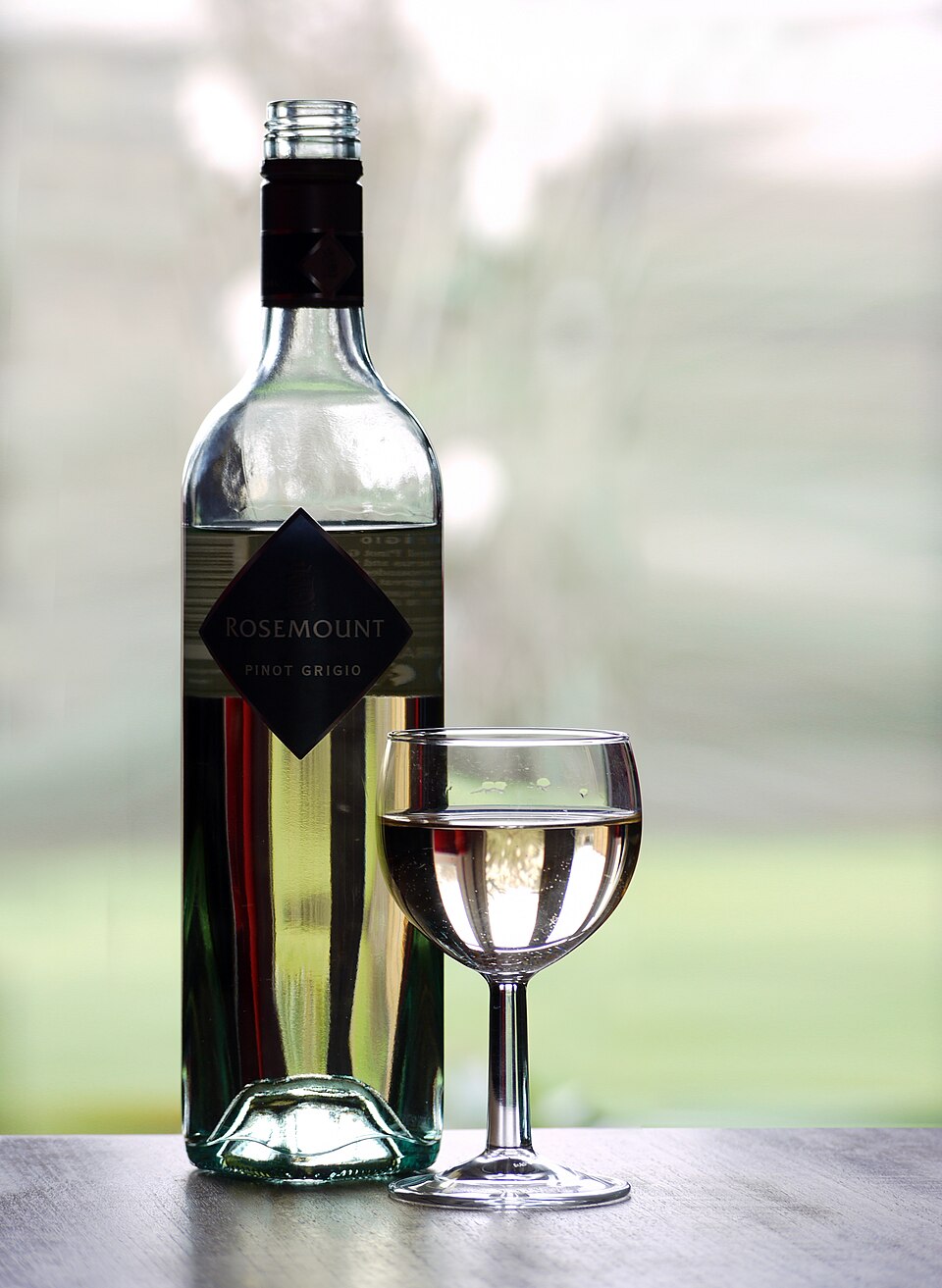
Australian Pinot Grigio: light, easy and dry. Good with salads and seafood.
Dry white~12–13%Photo: brett jordan / Wikimedia Commons / CC BY 2.0
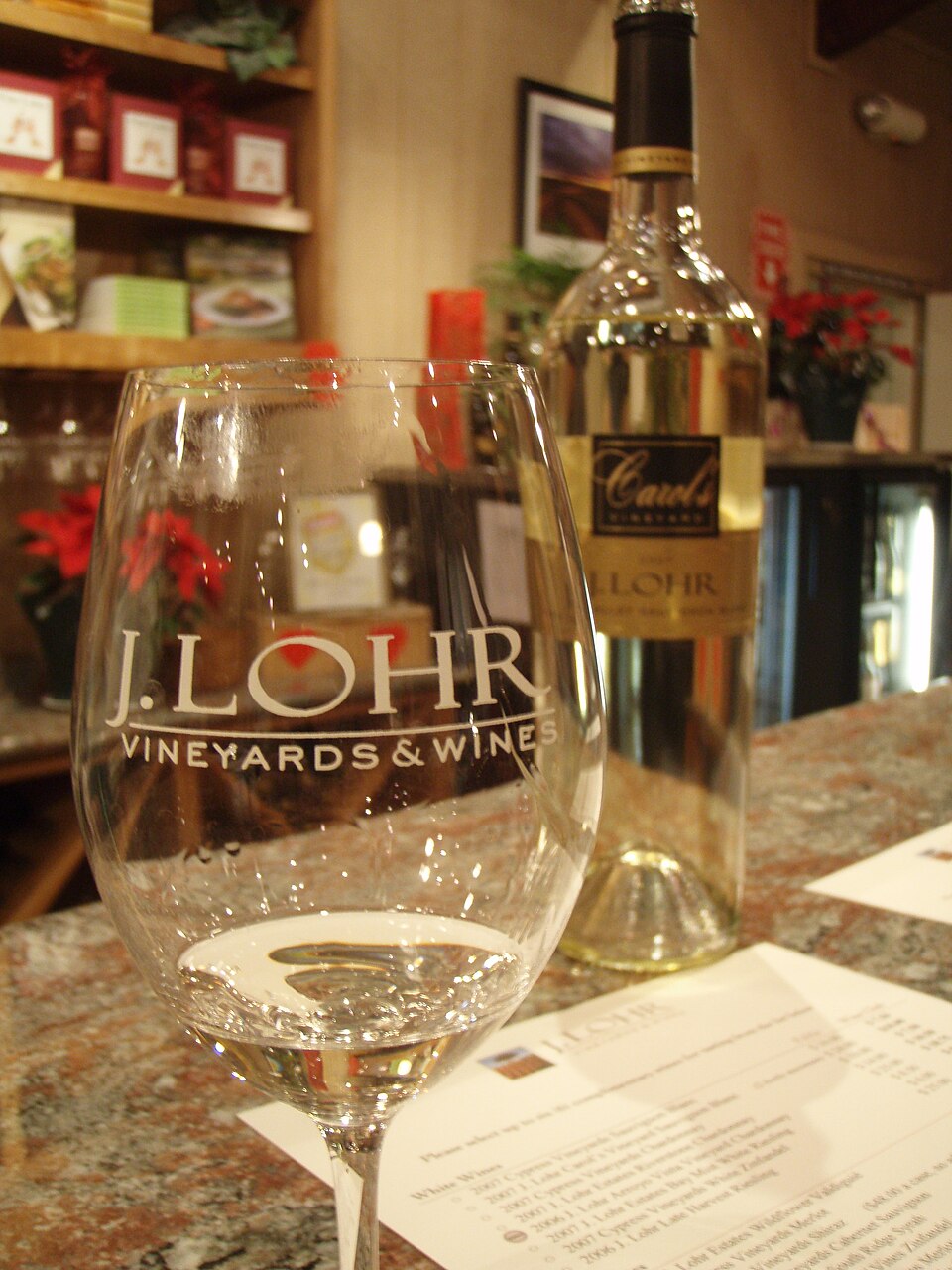
California family winery. This is its fresh, dry Sauvignon Blanc.
Dry white~13%Photo: Simon Davison / Wikimedia Commons / CC BY 2.0
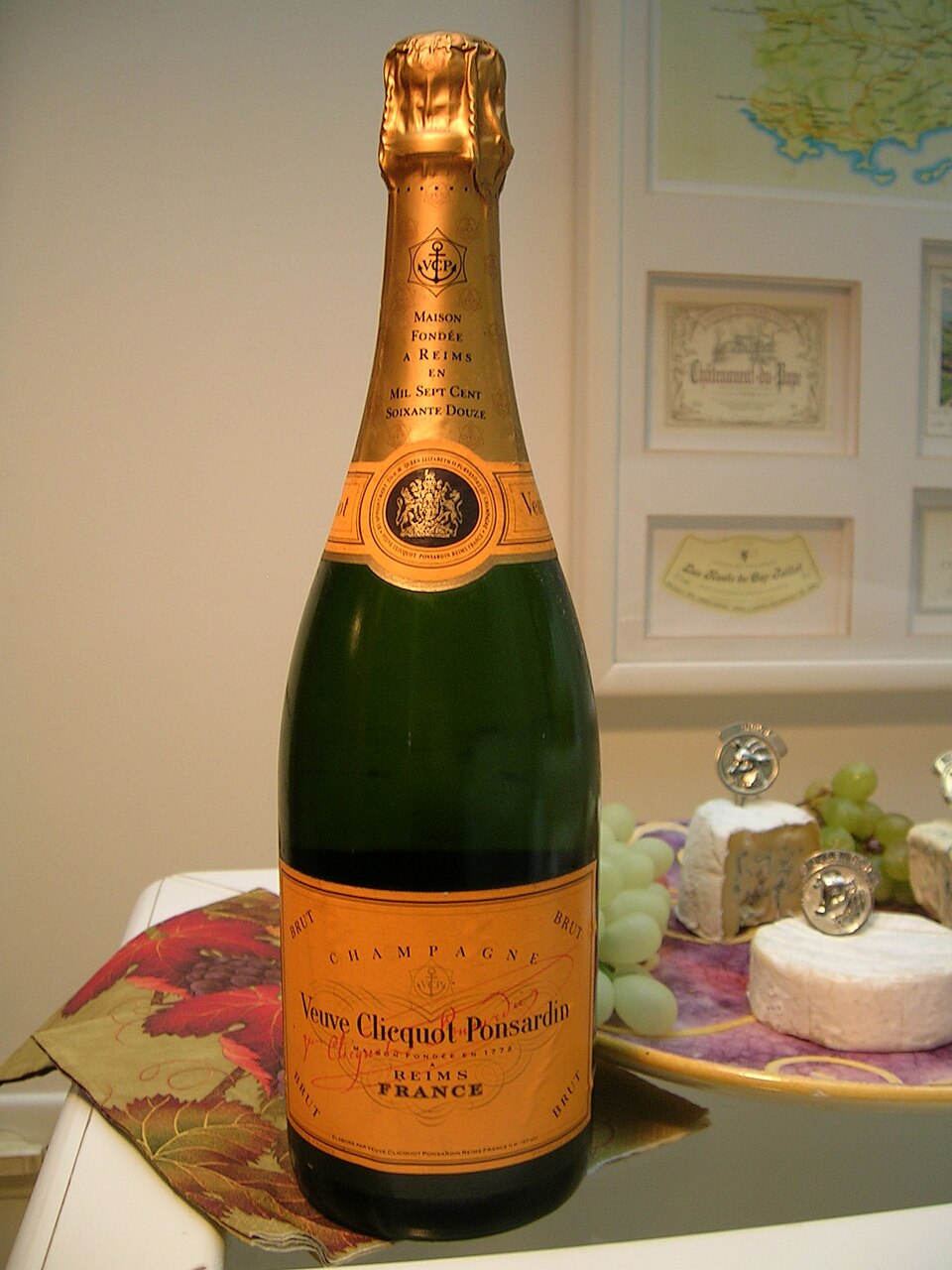
Famous Champagne from France with the yellow label. Bubbly, toasty, special occasions.
Sparkling~12%Photo: Renzo Grosso / Wikimedia Commons / CC BY-SA 3.0
ABV figures are typical ranges, not exact. Brand names belong to their owners and are shown only to identify the bottles in the photos.
Short videos from real wine teachers. Press play.
Getting Into Wine: A Beginner’s Crash Course · Wine Folly · watch on YouTube
4 Steps to Taste Wine Like a Pro · Wine Folly · watch on YouTube
Cabernet Sauvignon vs Pinot Noir · How 2 Enjoy Wine · watch on YouTube
Find Your Type of White Wine · Wine Folly · watch on YouTube
How Much Alcohol Percentage is in Wine? · V is for Vino Wine Show · watch on YouTube
Restaurant-Style Red Wine Sangria in 5 Mins · Nitz On The Rocks · watch on YouTube
Winemakers blend grapes on purpose: Bordeaux mixes Cabernet and Merlot, Rhône reds mix Grenache, Syrah and Mourvèdre. Pick up to three wines, slide the amounts, and see what your blend would be like. (Estimates. Real taste depends on the actual bottles.)
Spain’s famous wine punch. It is easy and forgiving. Use a cheap, fruity, dry red; save the good bottle for drinking.
Substitutes: no brandy? Use rum or just more juice. No Rioja? Any dry fruity red (Merlot, Garnacha, Tempranillo) works. White sangria: swap in Pinot Grigio or Sauvignon Blanc and use peaches and apples.
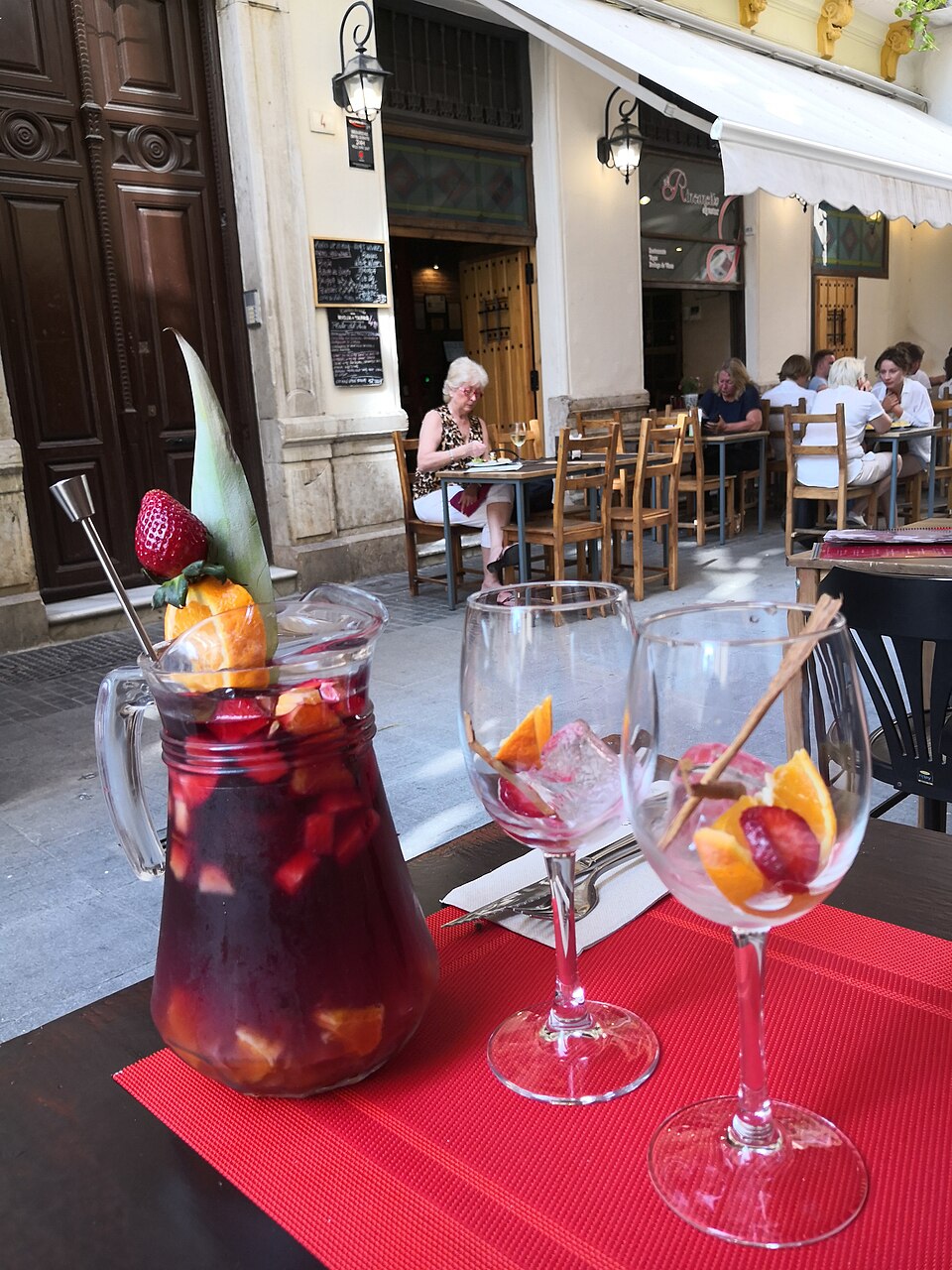
Video: Minimalist Baker · watch on YouTube


